Kathmandu
Seven UNESCO sites. One unforgettable city.
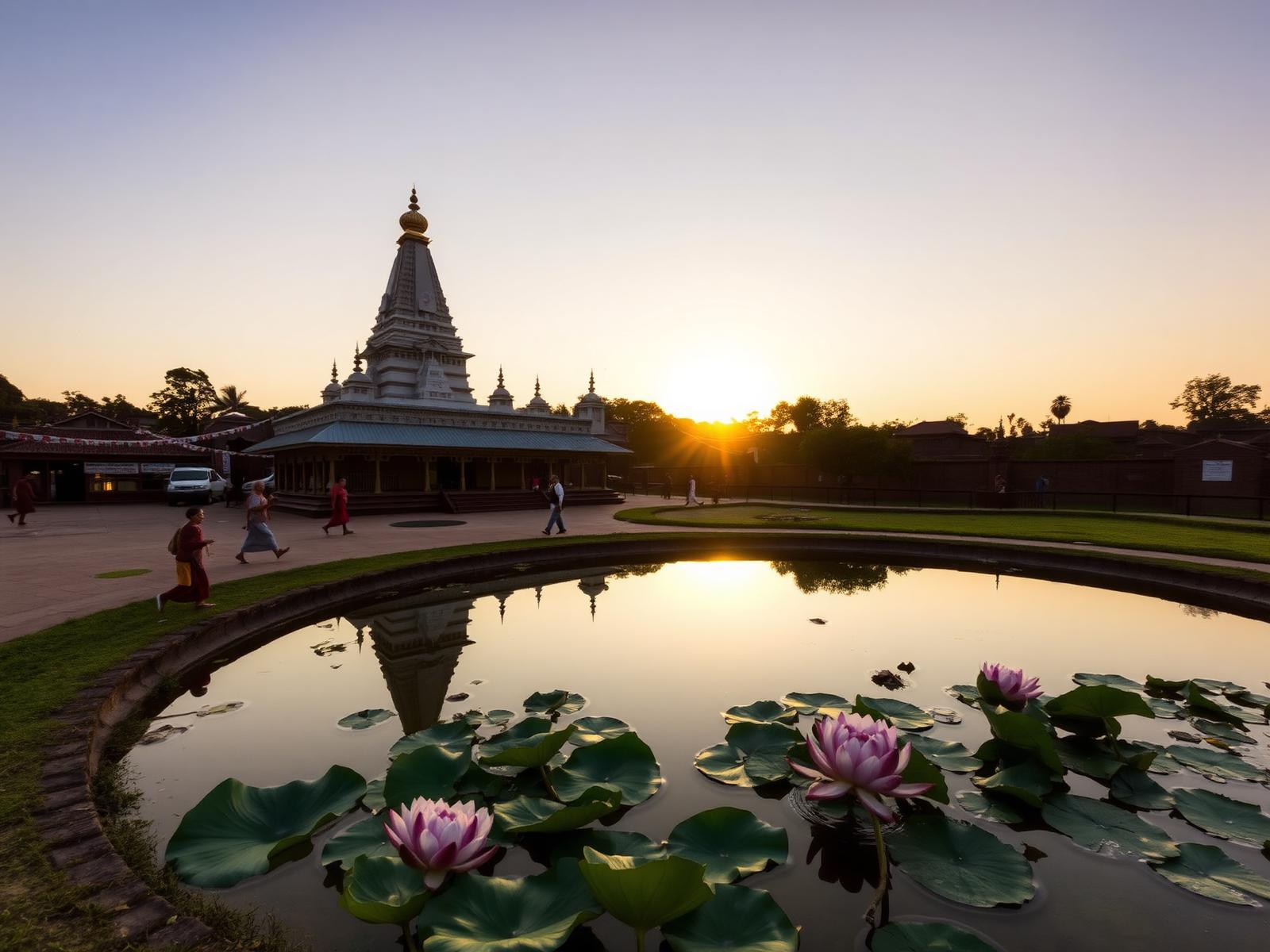
Kathmandu is impossible to summarise and a joy to attempt. You can walk for thirty minutes through its old city and pass a 14th-century temple, a fresh momo stall, a wedding band, a sleeping cow, three thangka painters and a courtyard where a goddess actually lives. It is, in the kindest possible way, sensory overload.
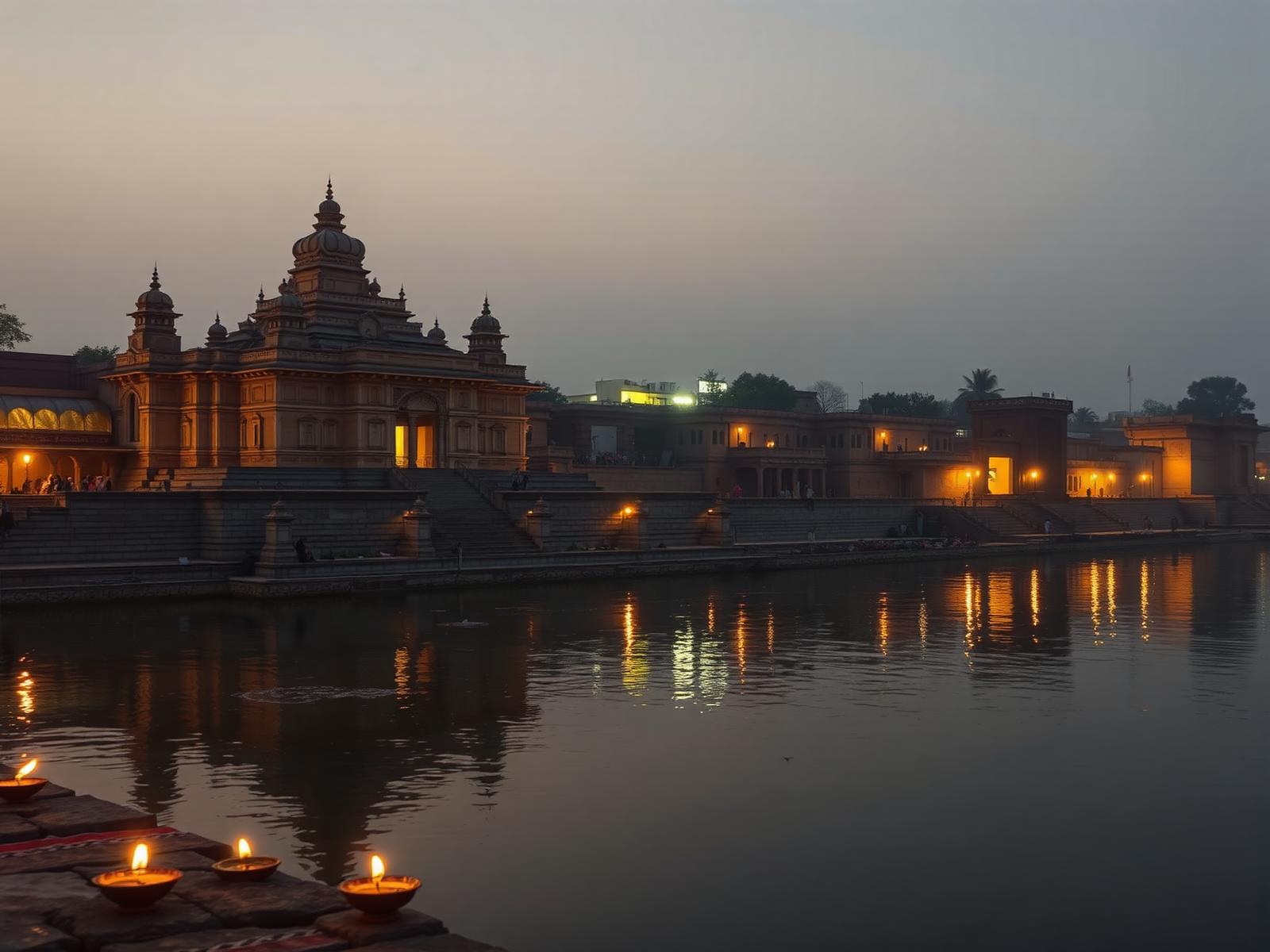
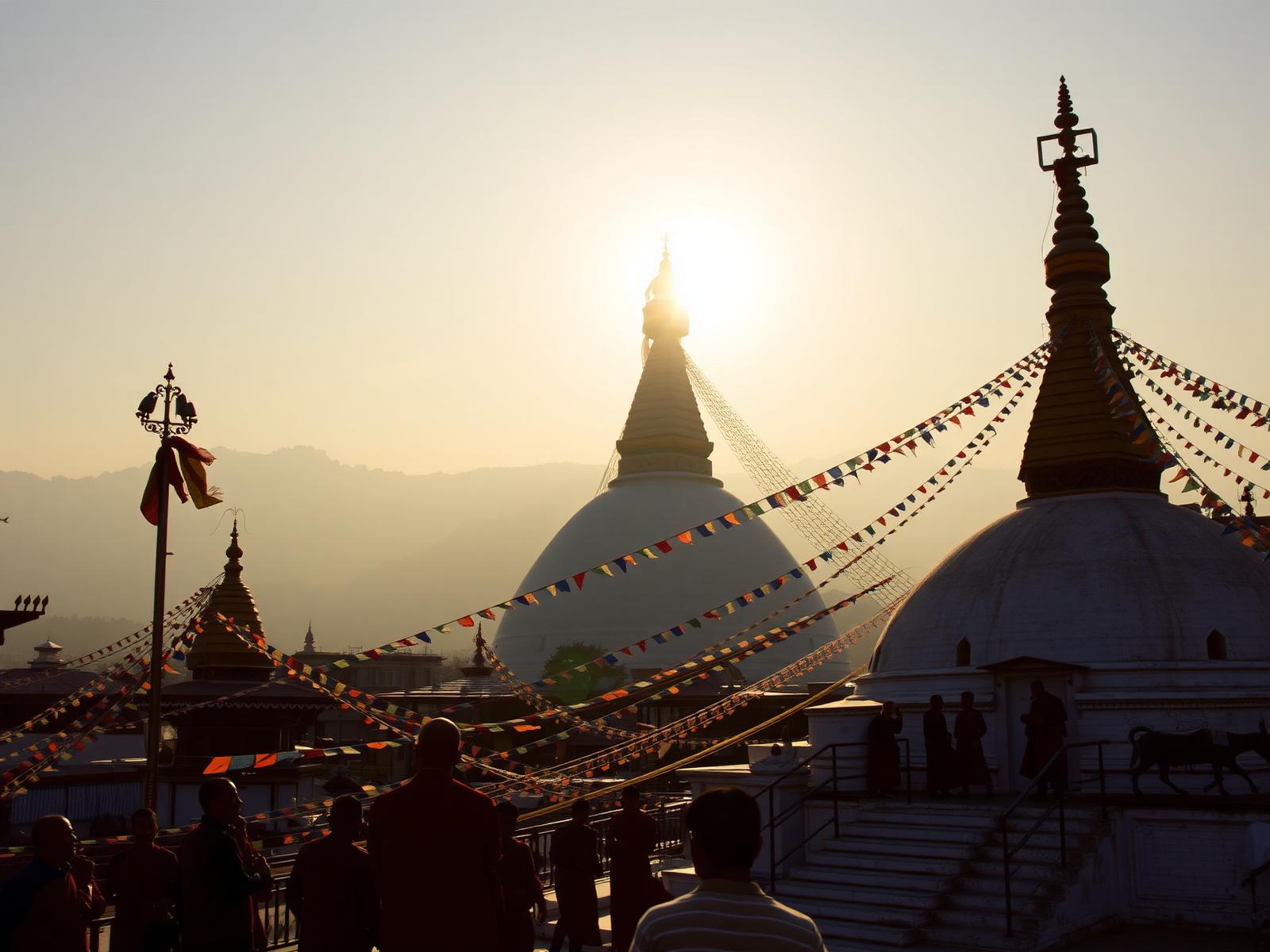
Three Durbar Squares — Kathmandu, Patan, Bhaktapur — anchor the valley. Each is its own former kingdom. Bhaktapur, in particular, feels like a film set that forgot to be a film set. The great white dome of Boudhanath, ringed by maroon-robed monks at dusk, may be the single most peaceful place in the city. Pashupatinath, on the river, may be the most intense.
Your Charlii representative is a local who knows where the courtyards open into other courtyards. He'll take you to a Newari kitchen behind an unmarked door, point out the small shrines tourists walk past, and make sure your last evening in Nepal ends, as it should, on a rooftop in Patan with a thali in front of you and the temples lit up below.
"Walk Boudhanath at dusk, clockwise, three times. It's what locals do, and it changes the way the city feels for the rest of your trip."