Lumbini
Where the Buddha began.
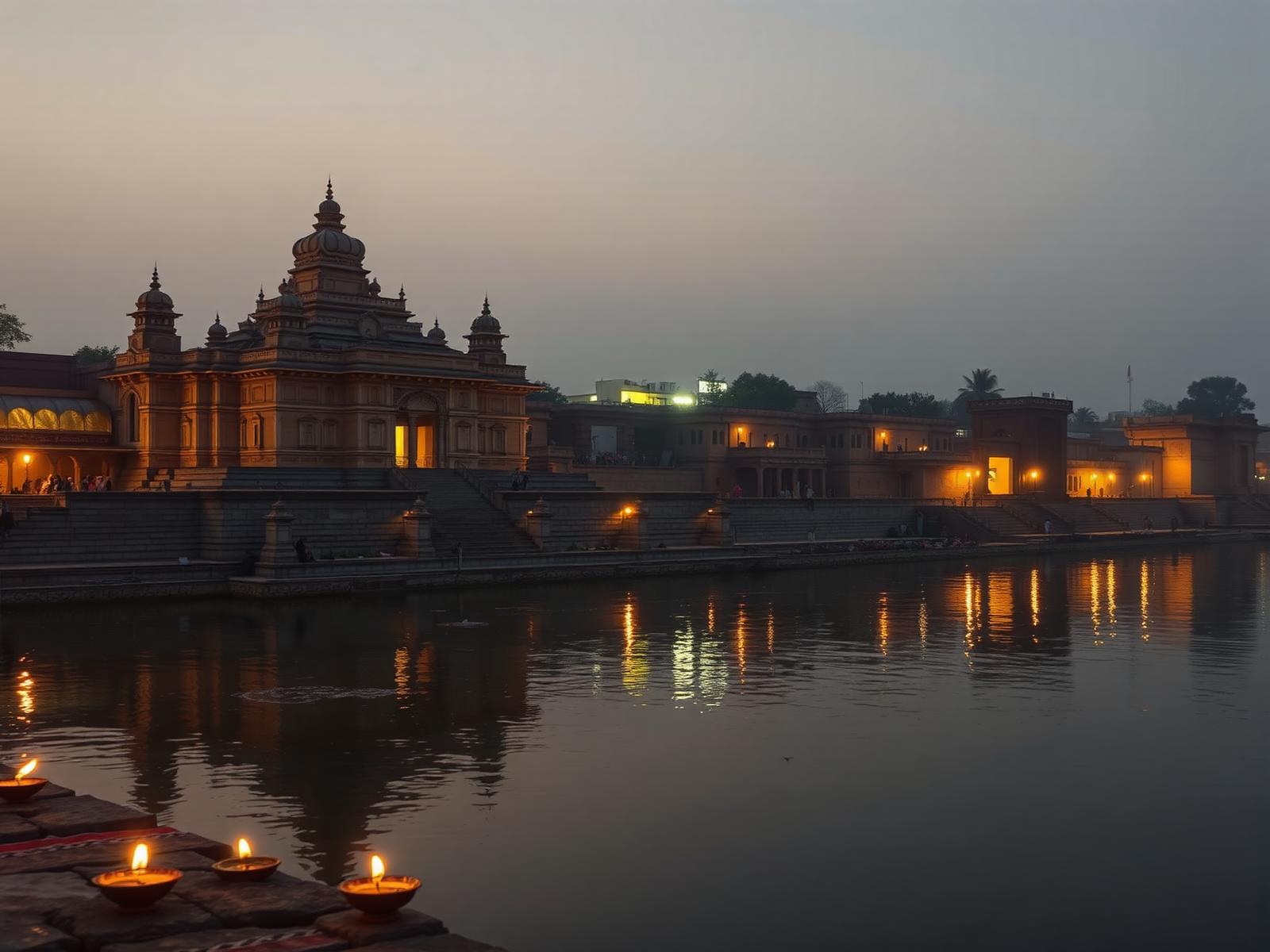
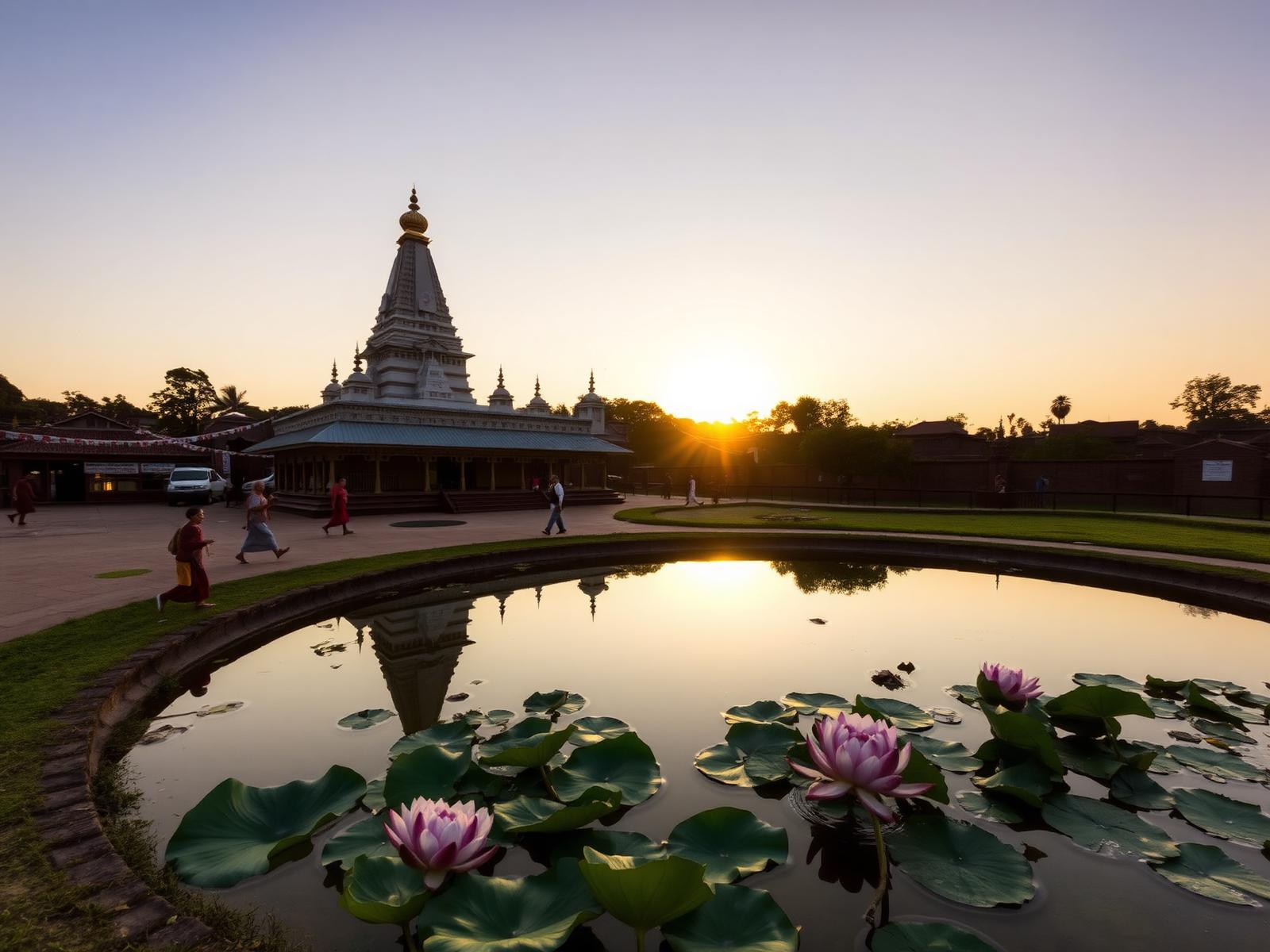
Lumbini surprises people. They arrive expecting a single temple and discover instead a 13-square-kilometre garden in which the world has built its quietest embassies. Thailand's monastery glows gold beside Germany's white stupa. Japan's pagoda watches over a lotus pond. You can walk for hours and never hear a raised voice.
At the centre, in a simple brick room, stands the marker stone — set down by Emperor Ashoka in 249 BCE — that says, in the careful certainty of ancient script, the Buddha was born here. Pilgrims circle it slowly. Nobody talks much. It doesn't seem to need saying.
Your Charlii representative will time your visit for the late afternoon, when the tour buses have left and the light goes long and honey-coloured. They'll introduce you to a monk who'll explain, over butter tea, why the garden was designed to feel exactly the way it does.
"Stay overnight inside the monastic zone in a guesthouse run by a Korean monastery — you'll wake to chanting drifting through your window."