Varanasi
Older than history, kinder than expected.
Mark Twain said it about Varanasi best: "older than history, older than tradition, older even than legend." What he forgot to mention is how alive it still is. The same alleys where pilgrims have walked for three millennia are also where someone is currently arguing with their neighbour about cricket and a small boy is offering, very seriously, to sell you a kite.
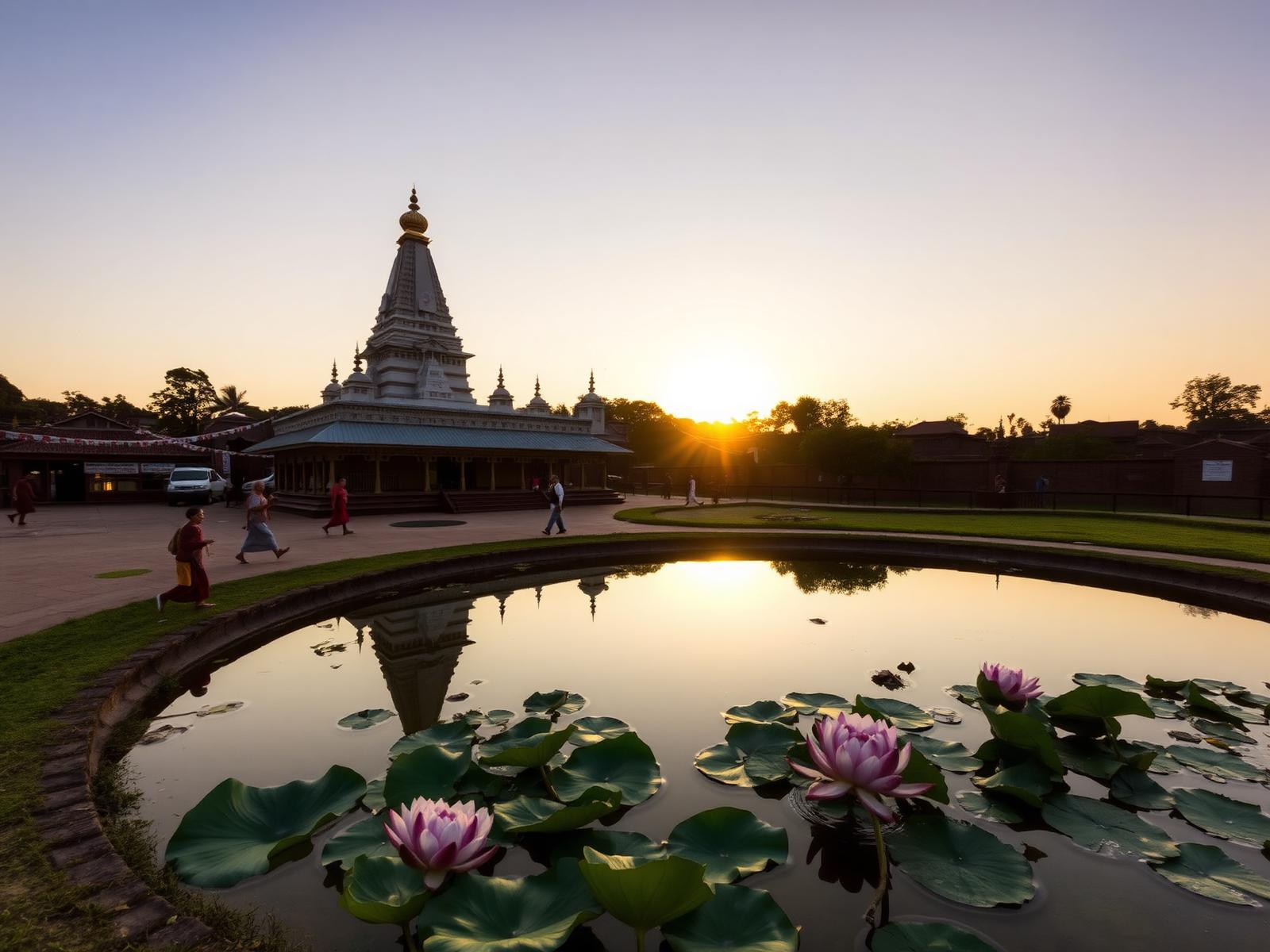
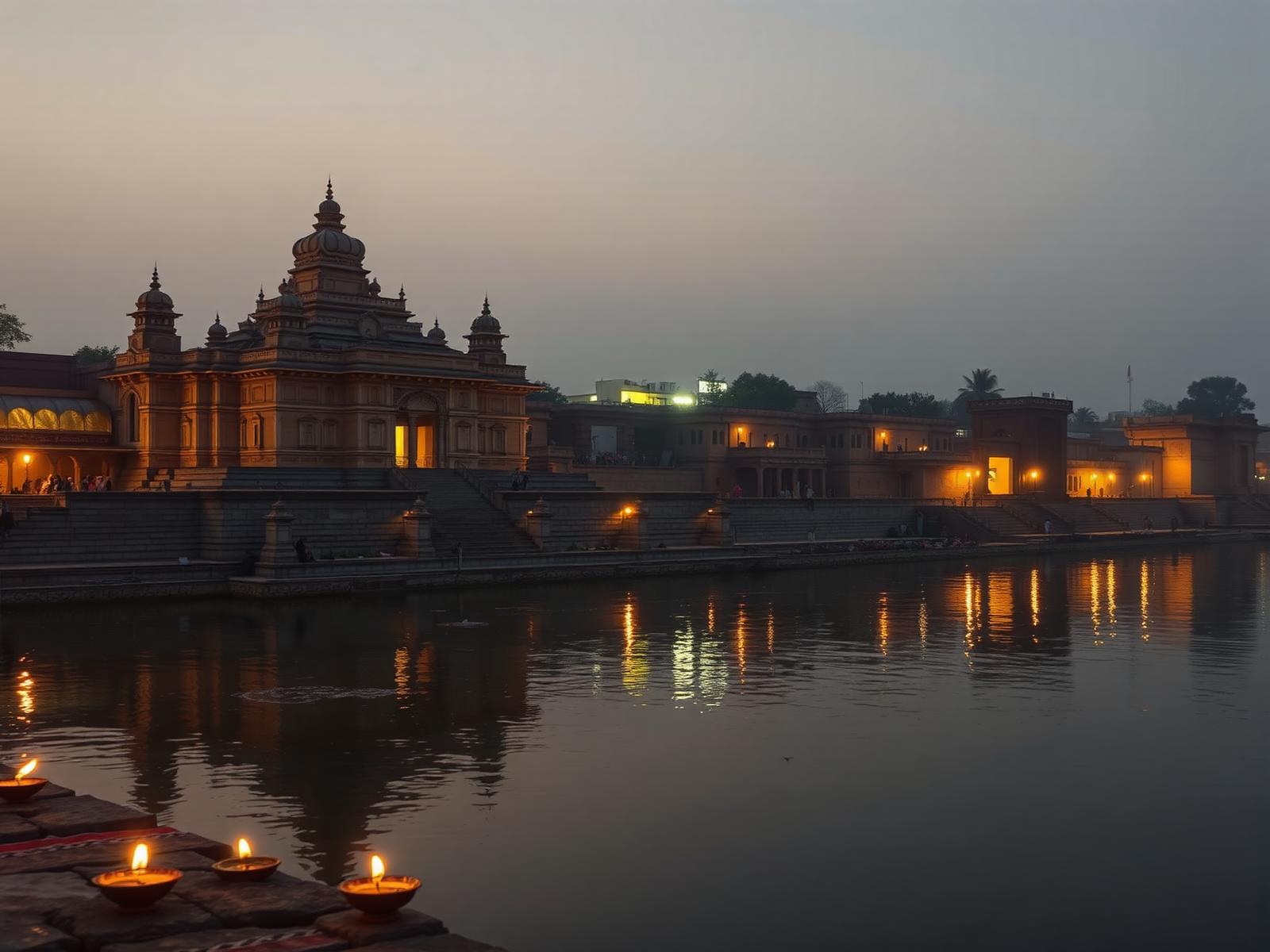
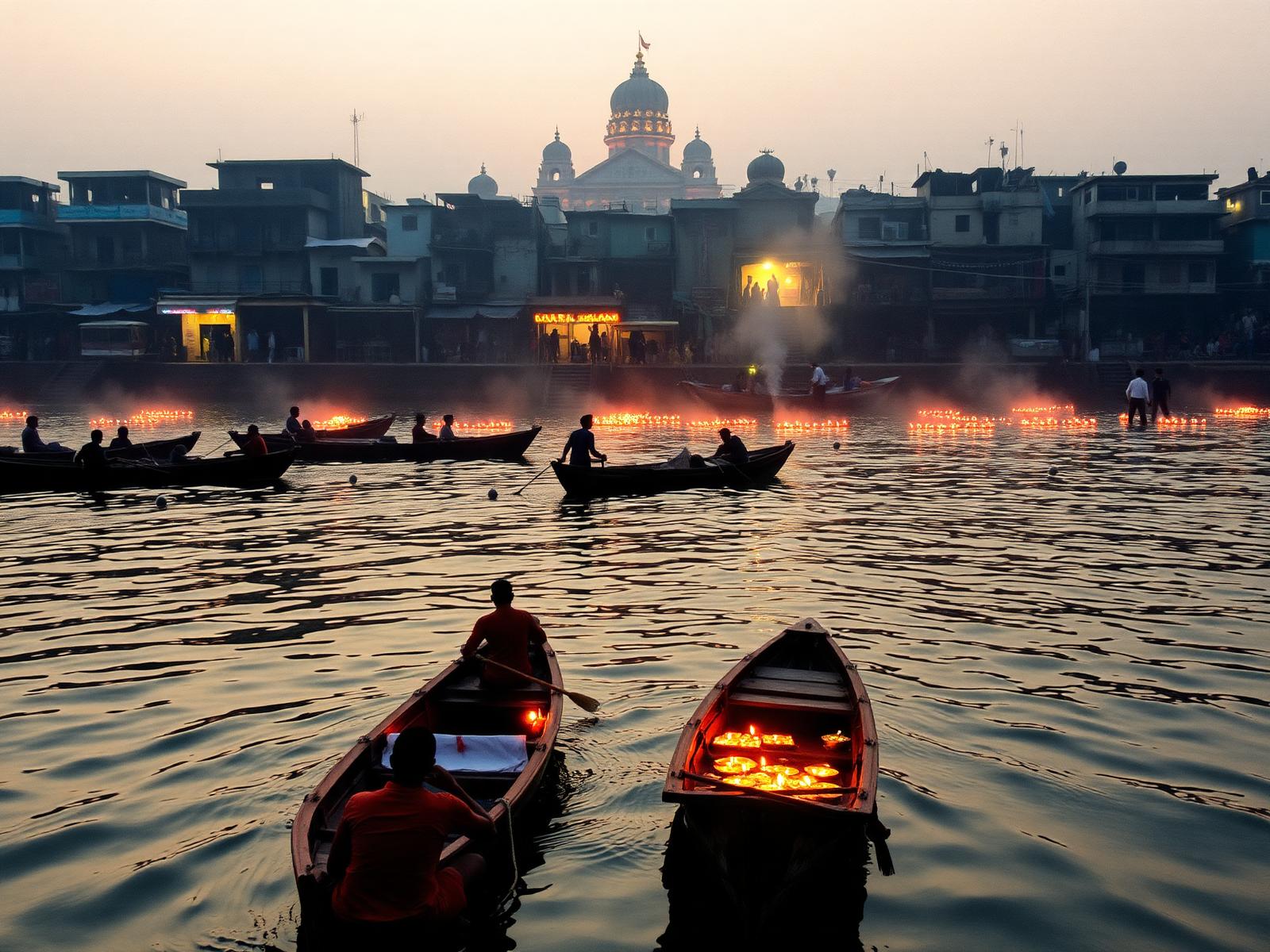
You should see Varanasi from a boat at dawn — it's the only correct introduction. The first light hits the ghats in a warm, slow wash, and the city wakes up the way it has for centuries: with bells, with prayer, with people stepping into the river. By evening you'll be back, but on land this time, packed shoulder to shoulder with locals as the Ganga Aarti unfolds in a choreography of fire that will stay with you for years.
Charlii's local representative in Varanasi is a former classical musician. He'll take you to a sitar recital in someone's living room, walk you through the silk weaving district, and translate the small daily rituals of the city so they stop feeling foreign and start feeling generous.
"Have breakfast at the rooftop of Brown Bread Bakery, then walk the back lanes of Bengali Tola — far quieter, far stranger, far more beautiful than the main ghats."